Degenerative disc disease (DDD) describes changes in the structure and function of the discs between the vertebrae.
Over time, spinal discs can lose hydration, elasticity and height. These changes may alter how forces are distributed through the spine and surrounding joints.
Despite its name, disc degeneration is often part of the natural aging process and does not always cause pain. Many people have degenerative disc findings on MRI without experiencing significant symptoms.
When degeneration contributes to pain or nerve irritation, it can affect everyday activities and quality of life.
Depending on the individual and the structures involved, symptoms may include:
Symptoms and examination findings must be considered together with imaging. Our Sciatica and Radiculopathy page explains nerve-related symptoms.
Factors associated with degenerative changes include aging, genetics, previous injuries, repetitive mechanical loading and other individual health factors.
Disc degeneration may involve decreased water content, changes in disc structure, loss of height and altered spinal mechanics.
Degeneration may also coexist with disc bulges, herniations, facet joint osteoarthritis or spinal stenosis.
No. Changes on imaging do not reliably predict how much pain a person will experience.
Symptoms may fluctuate, improve or remain stable over time, even when degenerative findings remain visible.
Treatment focuses on the person’s symptoms, functional limitations and clinical presentation rather than imaging findings alone.
Many people with degenerative spinal symptoms can manage their condition conservatively.
Depending on individual needs, options may include movement and exercise rehabilitation, activity modification, appropriate medical management and other clinician-directed care.
At Laser Spinal Decompression Clinic in Winnipeg, we assess patients experiencing persistent or recurring disc-related neck and lower back symptoms.
Many patients who contact our clinic have already tried multiple treatment approaches without satisfactory improvement.
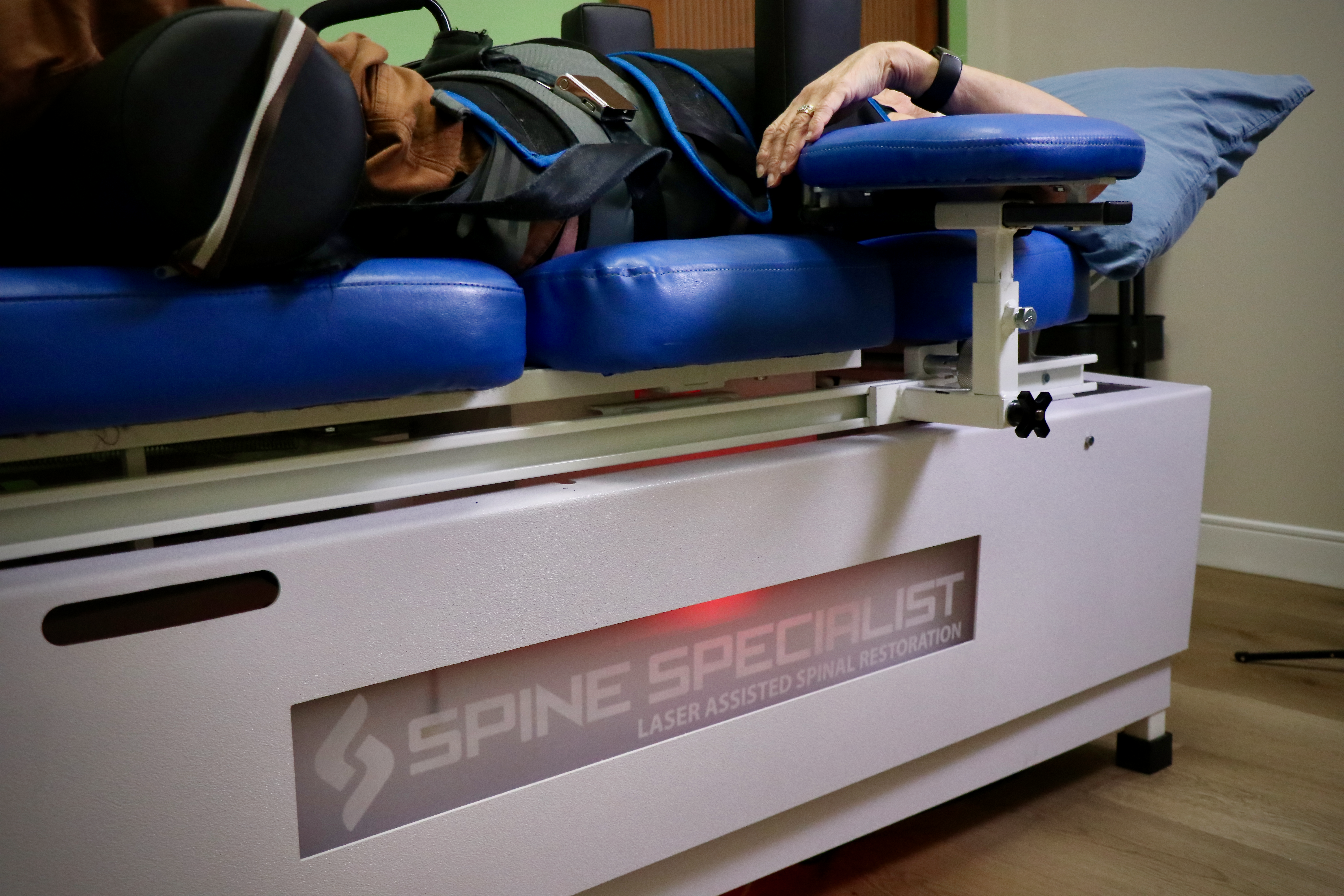
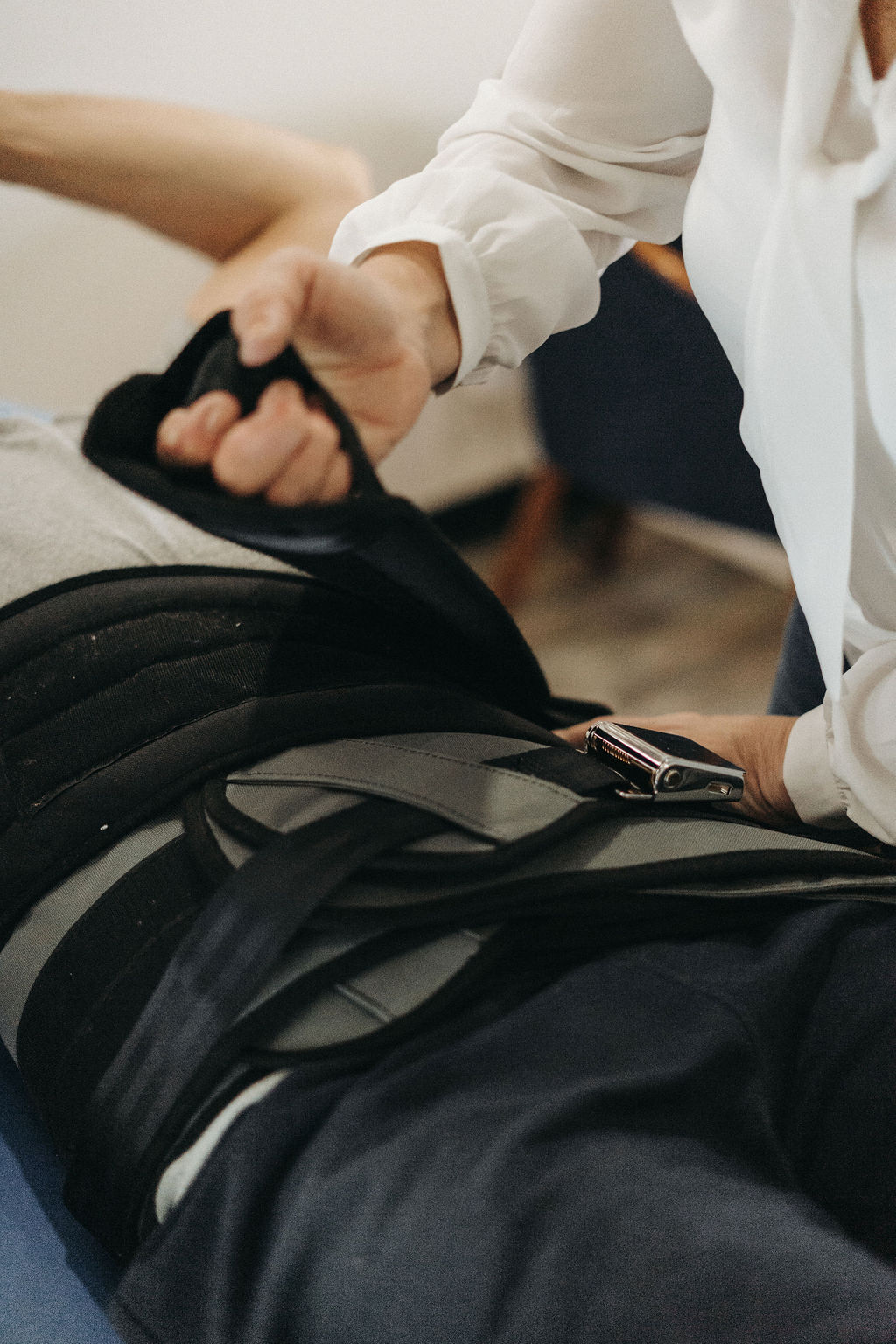
Our treatment combines computer-controlled, non-surgical spinal decompression with a robotic Class 4 therapeutic laser delivered simultaneously.
The decompression system uses programmed cycles of pulling, holding and releasing. The robotic laser is used to complement the treatment by helping manage pain, inflammation and surrounding muscle discomfort. Only the laser is robotic; the decompression table is computer-controlled.
Our goals include reducing pain, improving mobility and supporting patients in returning to everyday activities.
Not all patients with degenerative disc changes are suitable for treatment. Results vary, and treatment cannot be guaranteed to restore disc height or reverse degeneration.
The 2024 clinical case reports by Dr. John Zielonka involve the same combined decompression and laser technology used in our clinic. Individual case reports documented changes in measured disc height.
These observations involved multimodal treatment, including decompression, laser therapy and other interventions. They do not establish typical patient results or prove reversal of degenerative disc disease, and they cannot isolate the effects of decompression alone.
Our Research page provides the case reports and explains their limitations.
No. Disc degeneration primarily involves the intervertebral discs, while spinal osteoarthritis commonly affects the facet joints. Both may occur together.
Yes. Degenerative findings are common on MRI, including in people without symptoms.
No. Many people can manage symptoms conservatively. Surgical assessment may be appropriate in selected cases with severe or persistent symptoms or significant neurological concerns.
Selected patients with disc-related symptoms may be considered for assessment. Evidence for decompression-based treatment is mixed, and outcomes cannot be guaranteed.
Not necessarily. We review symptoms, clinical history and available imaging during the initial consultation and recommend further evaluation when appropriate. Emergency warning signs require immediate medical assessment.
New bowel or bladder dysfunction, saddle numbness, difficulty urinating or significant progressive neurological weakness requires immediate emergency medical assessment. Do not delay emergency care to book a routine consultation.
If you have ongoing disc-related symptoms, a complimentary phone consultation can help determine whether further assessment at Laser Spinal Decompression Clinic may be appropriate. This is for non-emergency concerns.