Decompression Back Brace: How It Works and When It’s Recommended

Dr. Suzanne Buffie

Table Of Contents

Understanding Decompression Back Braces

Decompression back braces are attracting interest for their role in easing pain tied to disc herniation or spinal stenosis. These specialized supports use gentle traction to create space between vertebrae, targeting nerve compression and helping to restore mobility much more directly than standard rigid corsets.

This article explains how decompression braces work, which conditions respond best, and what fitting challenges you might face. You’ll find practical advice for selecting a brace, avoiding common pitfalls, and ways to combine bracing with other therapies for a safer and more complete recovery. Each section is clearly organized to help you find exactly what you need.

What You’ll Learn:

TL;DR

Decompression back braces help open disc space and reduce nerve pressure, which may relieve pain from herniated discs and certain types of stenosis. Having the right fit and a clear diagnosis is essential for success. Always follow safety guidelines for wear time and consult with your provider to maximize results.

How Do Decompression Back Braces Work and What Conditions Do They Treat?

Decompression back braces use a vertical traction system to gently create space between the vertebrae, relieving disc pressure and easing nerve pain. Inflatable air bladders at the core let users adjust the amount of decompression to suit their comfort and recovery stage.

These braces are suited for back problems tied to nerve or disc compression, such as herniated discs, spinal stenosis, and post-surgical instability. They distinguish themselves from rigid supports by their ability to actively separate vertebrae, sometimes incorporating modular panels or heating for added comfort and versatility.
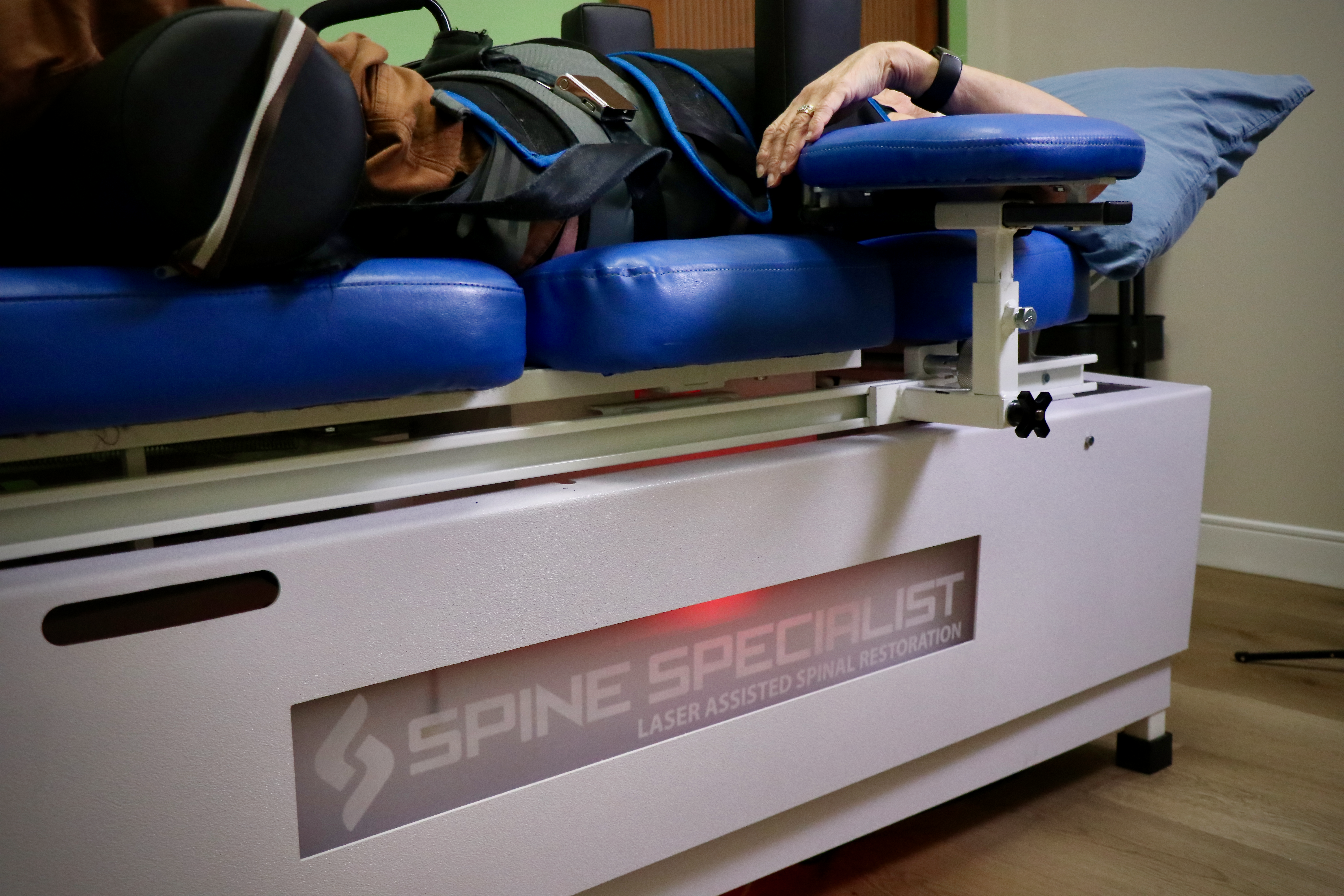
  • Inflatable air bladder design: Supports personalized, targeted traction.
  • Modular rigidity: Adjustable firmness fits different healing needs.
  • Integrated heating: Softens tissues and relieves stubborn pain.
  • Best for: Disc herniation, nerve impingement, or structural instability after spine surgery.

FAQ Section

  • How long can a decompression back brace or belt be safely worn? The typical safe range is 2 to 4 hours per day, matched to recovery needs and pain levels. Gradual reduction helps prevent muscle loss as you heal.
  • Do decompression braces help with mechanical pain without nerve involvement? They work best for disc or nerve-root compression. Purely mechanical or arthritis-related pain may not respond as well.
  • What clinical advantages or limitations separate decompression devices from rigid corsets? Decompression braces offer higher satisfaction and pain relief for disc problems, while rigid corsets remain best for post-surgical support or instability.
Leave a Reply

Your email address will not be published. Required fields are marked *

Ready to reclaim
your spinal health?

Book your appointment today and experience cutting-edge spinal care and lasting relief. Visit our website or call us. Follow us on social media for updates, tips, and exclusive offers.
Robotic Laser Spinal Decompression is an innovative, non-invasive treatment designed to alleviate back pain and promote spinal health.
Contact
Laser Spinal Decompression Clinic (located inside Norwood Health and Wellness)
© 2026 Laser Spinal Decompression Clinic. All Rights Reserved