
Lower back pain affects nearly 80% of adults at some point, making it one of the most common reasons for missed work or disrupted routines. Yet, the path to relief is far from one-size-fits-all. What works for sudden pain might differ from chronic cases, and knowing your next steps is key to faster recovery.
This article equips you with practical, evidence-based strategies for every stage of back pain. From first steps and home remedies to exercise guidance and professional interventions, you’ll get a clear understanding of both immediate and long-term solutions.
This guide helps you quickly identify safe first steps for lower back pain, proven home remedies, and criteria for seeking further help.
The best immediate strategies for sudden lower back pain are short rest, gentle movement, and using heat or cold appropriately. Ice helps fresh injuries by reducing swelling, while heat eases stiffness after the initial inflammation has settled.
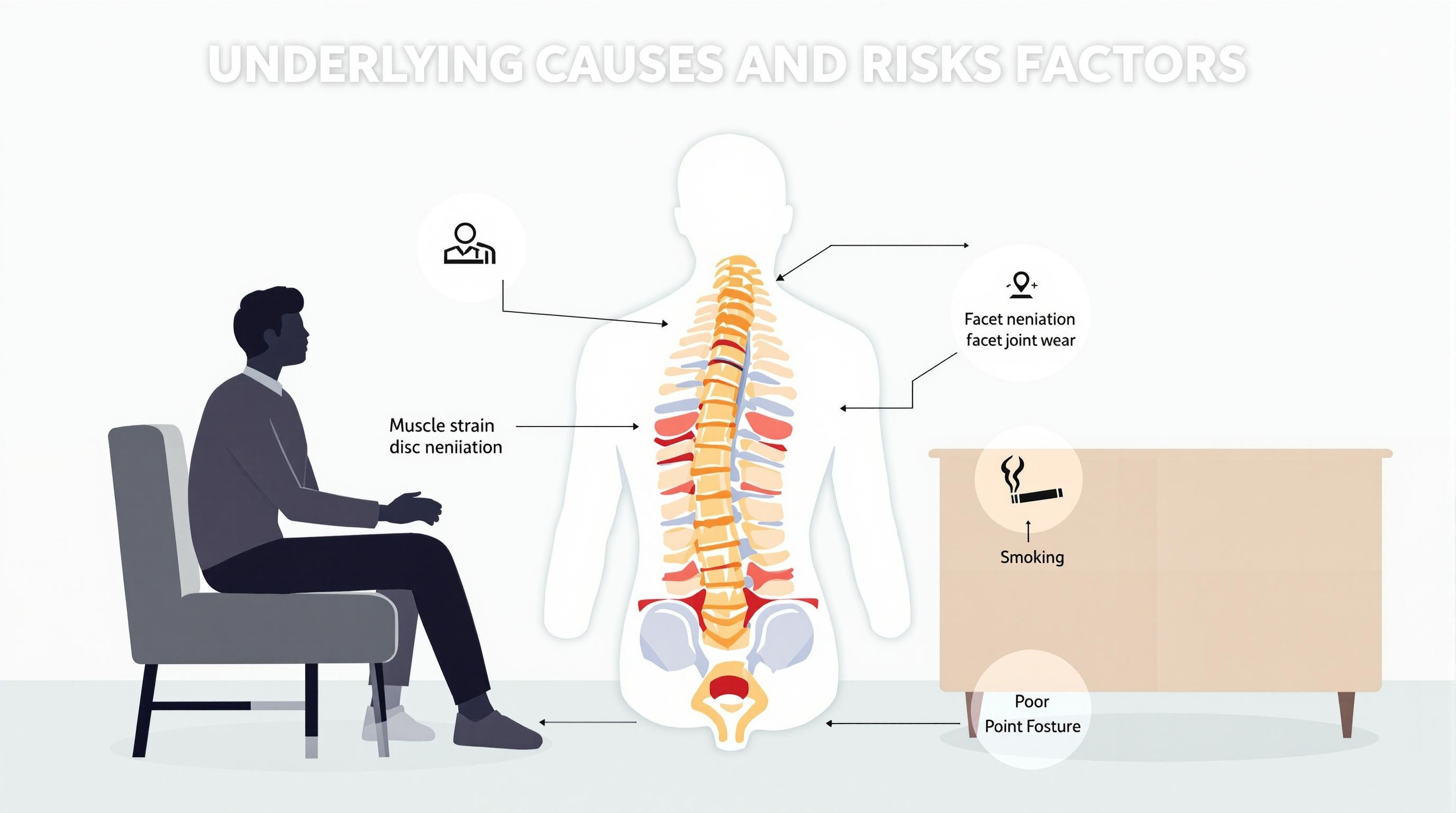
Lower back pain often begins with mechanical stress, such as muscle strain from lifting, repetitive motion, or poor posture. Over time, wear and tear on discs and joints can lead to chronic pain.
Daily routines built around stretching, core exercises, and posture correction form the foundation of long-term relief.
Begin with low-impact stretching and basics like walking or yoga. As comfort improves, progress to core exercises like planks or bird-dog.
Seek immediate medical attention if you experience bladder or bowel issues, sudden weakness, or severe pain with fever or trauma.
What is the fastest way to cure lower back pain? Gentle movement, heat or ice, and short-term pain relief measures help most.
What should I do if home remedies aren’t working? If pain lasts beyond 3–4 weeks or worsens, consult a professional.
Most cases of lower back pain improve with movement, home remedies, and posture correction. Professional care is recommended if symptoms persist or worsen.
Take the next step toward lasting relief with our robotic laser spinal decompression therapy. Learn more here.