A Practical Guide to Exercises for Lower Back Disc Pain
Lower back disc pain often limits daily movement, but tailored exercise routines offer a practical way to regain function. This guide gathers proven strategies, from selecting safe exercises to knowing how and when to progress, so you can manage symptoms with more confidence at home.
The article reviews which exercises protect healing discs, which movements to avoid, tips for adjusting routines through different recovery stages, and how therapies like heat or aquatic training fit into the process. Clear answers address common concerns on safety, effectiveness, and preventing future flares.
Consistent, appropriately chosen exercises—focused on gentle core strength and flexibility—can reduce pain and support recovery from lower back disc injury.
What Exercises Are Safest and Most Effective for Lower Back Disc Pain?
Gentle aerobic activities like walking or swimming are some of the safest and most effective choices when managing early-stage disc pain.
Core stabilization routines—bird-dog, bridges, and abdominal bracing—work deep back muscles, lowering the risk of further injury and supporting spinal healing.
Definition: Core stabilization means training deep spinal muscles—like the multifidus and transversus abdominis—to support healthy alignment and reduce disc strain in daily motion.
Walking: Boosts circulation and encourages safe, low-impact movement.
Aquatic therapy: Lessens gravity’s effects, supporting safe exercise even for those with acute symptoms.
Bird-dog/Bridge exercises: Target the core muscles critical for lumbar support.
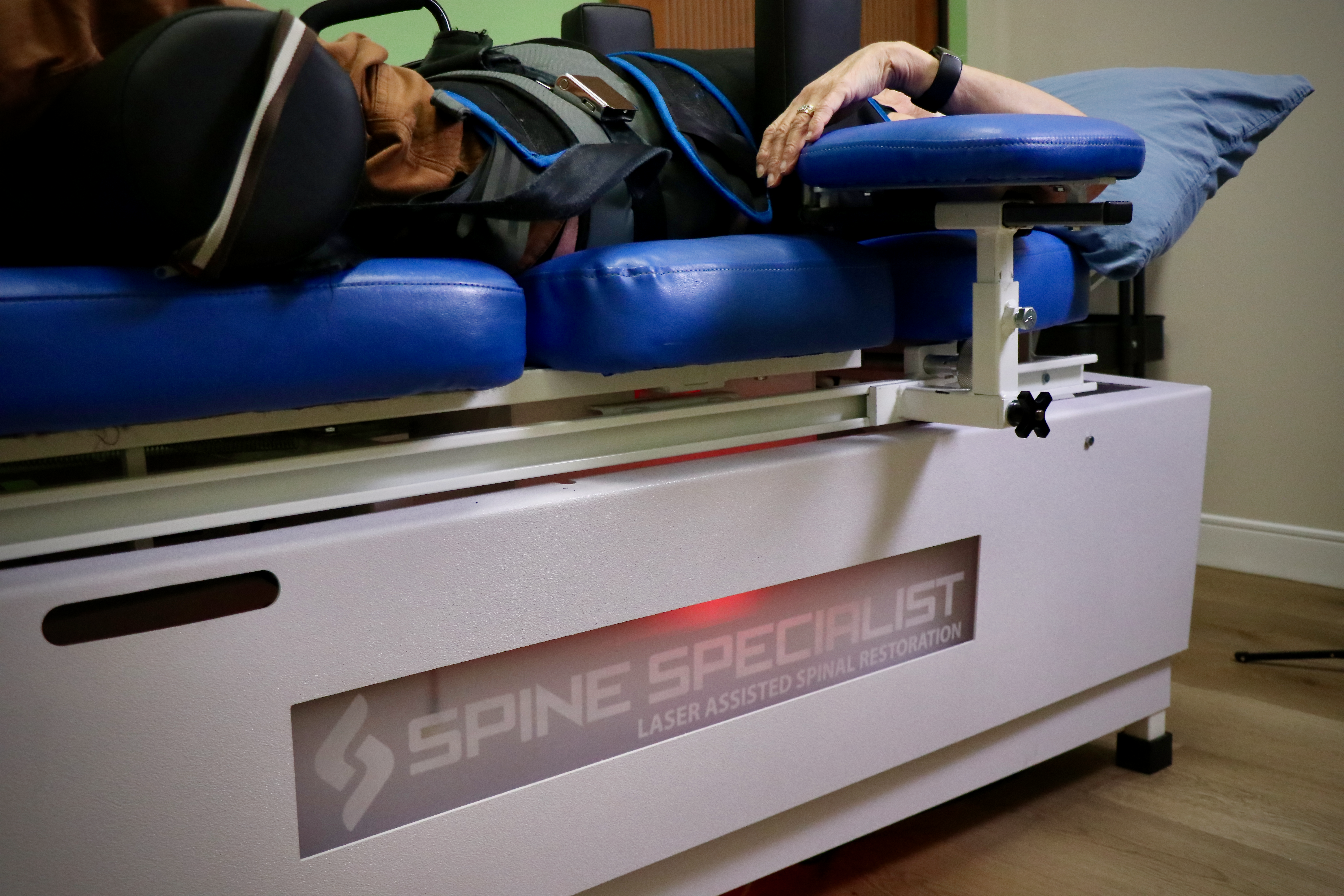
Supported decompression: Relieves pressure and improves comfort during recovery.
Which Exercises and Movements Should Be Avoided with a Herniated Disc?
Certain movements can worsen disc injury and delay recovery, especially those that place high loads or twisting forces on the lumbar spine.
Deep flexion exercises—such as standing toe touches or full sit-ups—can also strain the disc’s outer ring, raising the chance of reherniation.
Safety Warning: Stop any exercise if you experience new numbness, sharp leg pain, or sudden loss of strength or control.
Running and jumping: High impact, increases disc compression.
Standing toe touches/full sit-ups: Excessive flexion stresses the disc’s outer layer.
Heavy deadlifts or loaded squats: Risk of sudden overload and disc extrusion.
Superman/back extension machines: Can cause hyperextension and worsen disc bulges.
How Should Exercise Progression Be Tailored to Healing Phases?
Phased exercise progression is essential for safe and effective disc recovery. In the acute phase, focus on pain control and avoiding aggravating movements.
As pain subsides, the subacute phase allows for gentle stretching and isometric core work. The remodeling or chronic phase introduces dynamic strength routines, but only if earlier stages are tolerated without setbacks.
Start with pain-free, gentle movements and monitor for adverse symptoms.
Progress to flexibility and isometric core exercises once acute pain resolves.
Gradually add dynamic strength and balance routines in the chronic phase.
Advance intensity only if previous steps are well tolerated.
Seek professional input for setbacks or if new symptoms arise.
What Adjunctive Therapies and Lifestyle Factors Support Exercise-Based Recovery?
Supportive therapies and healthy lifestyle habits are key to optimizing outcomes from exercise-based disc recovery.
Daily walking or swimming: Maintains flexibility and disc health.
MSM and vitamin C: Support tissue repair and reduce inflammation.
Ergonomic seating and posture: Prevents recurrent disc stress.
Weight management: Decreases overall spinal load and risk of re-injury.
Key Takeaway: Combining targeted exercise with daily health habits is the best way to reduce recurrence and speed long-term recovery from disc injury.
“Integrating exercise with supportive therapies like nutrition and ergonomic changes creates the strongest foundation for disc healing and long-term pain relief.”
– Dr. Emily Harper, Physical Therapist
FAQ Section
What are the big 3 exercises for lower back pain?
Walking, bird-dog, and bridges are widely recognized as the safest and most effective for supporting lumbar disc health and reducing pain.
How to relieve disc pain in lower back?
Use a combination of gentle movement, core stabilization, and adjunct therapies like heat or aquatic exercise to manage symptoms and promote healing.
What worsens herniated disc pain?
High-impact activities, deep flexion, twisting, and ignoring new or worsening symptoms can all increase the risk of further disc damage and delay recovery.
Summary & Key Takeaways
Safe, consistent exercise—tailored to the healing phase—remains the cornerstone of lower back disc pain recovery. By choosing routines that prioritize gentle movement, core stabilization, and gradual progression, patients can support disc healing and reduce the risk of setbacks.
Combining these practices with supportive therapies and healthy lifestyle adjustments offers the best chance for lasting relief and a return to normal activity.
Robotic Laser Spinal Decompression is a non-surgical service that may be considered for appropriately assessed patients with disc herniations, disc bulges, degenerative disc changes, spinal stenosis, sciatica, and certain causes of neck or back pain. Individual suitability is determined following an assessment.
Quick Links
Contact
Laser Spinal Decompression Clinic (located inside Norwood Health and Wellness)