Lower back pain touches nearly everyone at some point, but not all solutions address the true cause. Knowing which muscles support the spine puts targeted relief within reach and helps you move forward faster.
This article maps out the most important muscle groups, explains how dysfunction drives pain, and walks you through effective treatments and recovery strategies. With stepwise sections and clear takeaways, you’ll be able to identify and treat the muscle issues behind your back pain.
Understanding and treating the right muscle groups—especially spinal stabilizers—provides the foundation for lasting lower back pain relief.
Which Muscle Groups Are Most Involved in Lower Back Pain?
The muscles most involved in lower back pain are the multifidus, erector spinae, transversus abdominis, gluteals, hip flexors, and hamstrings.
Multifidus & Erector Spinae: Segmental stability and resistance to spinal loading.
Transversus Abdominis: Deep core bracing and intra-abdominal pressure.
Gluteals: Power hip extension and support pelvic mechanics.
Hip Flexors: Control forward bending and leg movement.
Hamstrings: Link hip and lumbar motion, balance posterior chain loading.
How Does Muscle Dysfunction Lead to Lower Back Pain?
Muscle dysfunction—such as atrophy, fatty infiltration, and loss of neuromuscular control—creates instability in the lower back and sets up the spine for repeated injury.
Definition: Muscle atrophy means a loss of muscle size and function, often replaced by fat and scar tissue.
Spasms and restricted motion are early signs of dysfunction.
Fatty infiltration and weakness reduce dynamic control, making the spine prone to flare-ups.
Loss of coordination impairs posture and can lead to chronic pain.
How Can Problematic Muscles Be Identified?
Muscle-related lower back pain is usually marked by localized aches, stiffness, and spasms that don’t travel down the leg or cause numbness.
Check if pain stays near the spine and worsens with movement but improves with rest.
Use simple home tests like the straight leg raise.
Look for uneven posture or restricted bending.
Seek professional evaluation if symptoms persist.
What Are the Most Effective Ways to Treat Back-Pain-Related Muscles?
Motor control retraining—focusing on the multifidus and transversus abdominis—lays the foundation for lasting lower back strength.
Key Takeaway: Gradual progression and attention to form ensure safe, effective recovery.
Motor Control Retraining: Activates deep stabilizers.
Progressive Resistance: Strengthens local and regional muscles.
Pilates / Yoga: Adds flexibility and proprioceptive training.
Tailored Protocols: Adapt exercise selection and pace.
Solution-Focused Next Steps for Lower Back Pain Management
Sustained recovery from muscle-driven lower back pain depends on a combination of regular exercise, progress monitoring, and readiness to adjust your approach as needed.
Maintain daily exercise and stretching.
Keep a simple log of pain levels and activities.
Return to your provider if pain worsens or function stalls.
Adopt ergonomic and lifestyle practices.
FAQ Section
How can I tell if low back pain is due to muscle versus disc? Local, non-radiating pain usually signals muscle involvement.
What are the ‘big 3’ exercises for back muscle health? Plank, bridge, and side plank or bird-dog.
Can tight hamstrings contribute to lower back pain? Yes, tight hamstrings limit hip motion and increase lumbar strain.
Summary & Key Takeaways
The most effective approach to lower back pain starts with knowing which muscles matter and applying the right mix of treatments.
Combining consistent home routines with professional support ensures long-term relief and resilience.
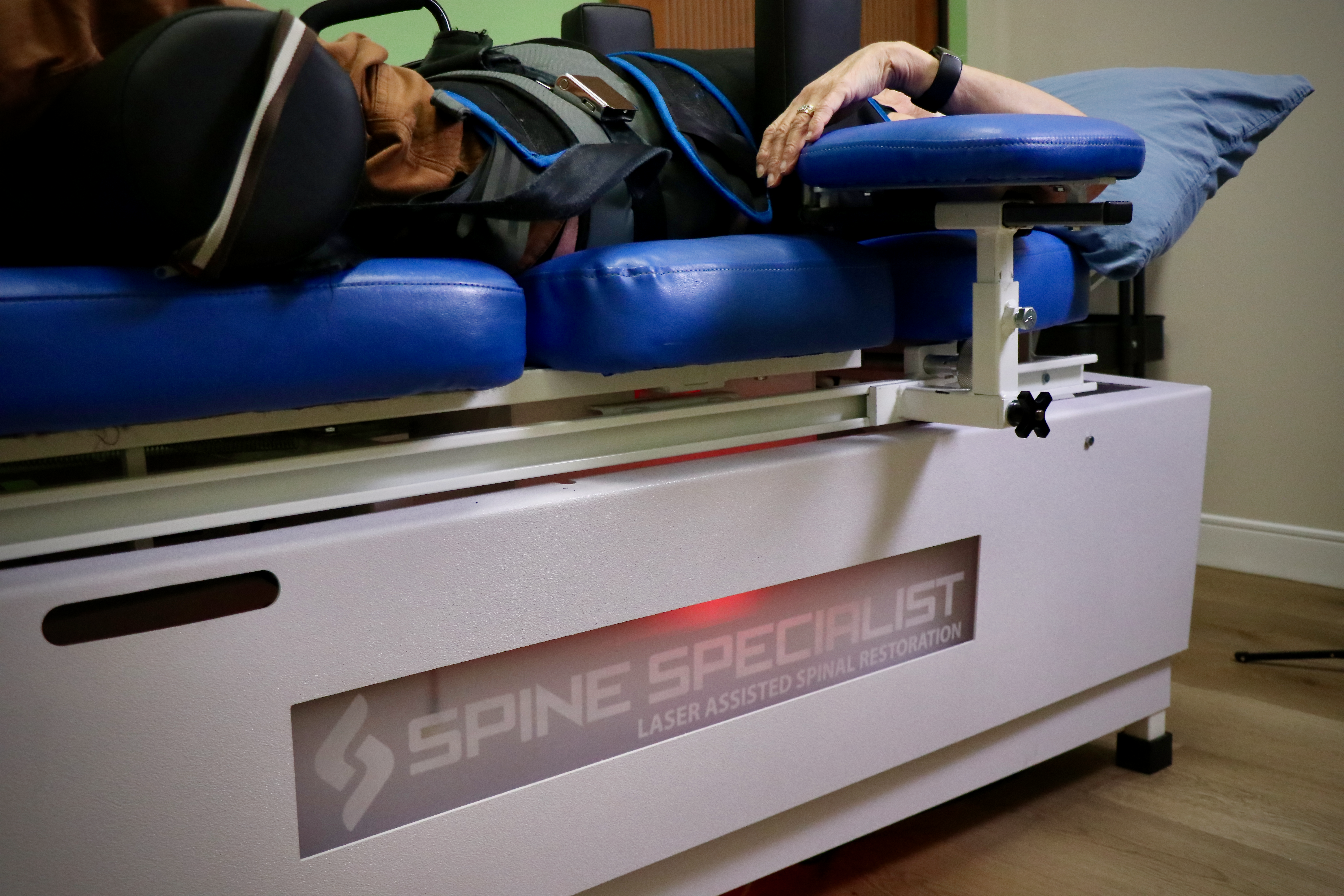
Robotic Laser Spinal Decompression is a non-surgical service that may be considered for appropriately assessed patients with disc herniations, disc bulges, degenerative disc changes, spinal stenosis, sciatica, and certain causes of neck or back pain. Individual suitability is determined following an assessment.
Quick Links
Contact
Laser Spinal Decompression Clinic (located inside Norwood Health and Wellness)